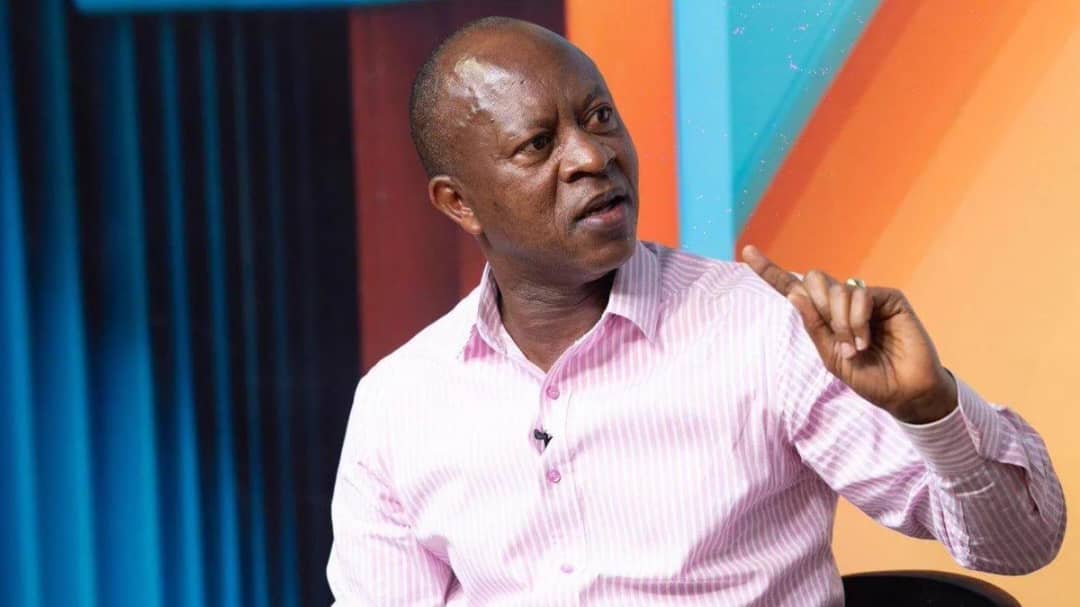
A dramatic confrontation unfolds as outspoken media personality Frank Gashumba takes aim at religious leaders he believes are misleading the public. In his campaign against what he describes as fraudulent pastors, Gashumba singles out Pastor Kayanja, questioning the authenticity of his ministry and challenging the broader religious community to demonstrate the power it claims to possess.
The controversy takes a more personal turn when, in the scenario, Pastor Kayanja responds by pronouncing a curse against Gashumba and his entire household. What begins as a debate about religious leadership quickly becomes a heated clash involving faith, accountability, freedom of expression and the limits of public criticism?
But Gashumba is not backing down.
In a bold and provocative challenge, he gives the men of God just 24 hours to demonstrate the miracles they preach about. He demands that they resurrect the dead and heal critically ill patients lying in the Intensive Care Unit (ICU) at Mulago National Referral He reportedly promises to award any religious leader, Shs500 million if they successfully meet the challenge.
His message is direct: if religious leaders claim to possess extraordinary spiritual power, he wants them to demonstrate it rather than merely preach about it.
At the heart of the dispute lies a broader concern: how can the public distinguish sincere religious leadership from individuals who may exploit people's desperation, suffering, and hope?
Gashumba's 24-hour ultimatum, whether viewed as a serious challenge or a provocative publicity stunt, puts the spotlight on the relationship between religious authority and public accountability.
The central question remains: Should religious leaders who claim miraculous powers be challenged to provide evidence of those claims or should matters of faith be approached differently?
Entertainment
October 20, 2026 · Uganda
Frank Gashumba vs. Men of God
A dramatic confrontation
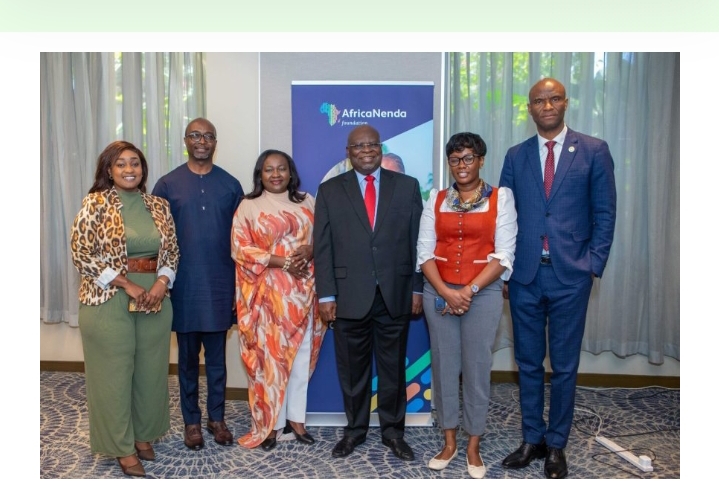
EXPERTS PUSH FOR THE INTERLINKED PAYMENTS TO BOOST AFRICA'S CROSS BOR…
24 views · 3 days, 16 hours ago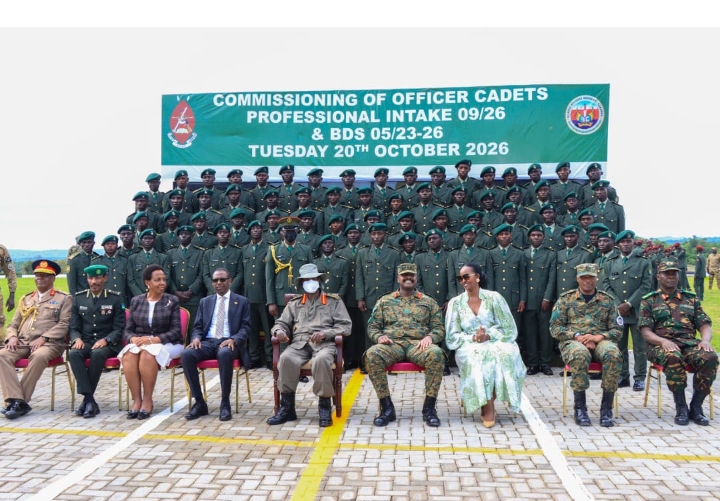
MUSEVENI COMMISSIONS 280 CADETS AT MILITARY TRAINING KABAMBA BARRACKS
19 views · 3 days, 16 hours ago
GEN. MUHOOZI ORDERS THE RELEASE OF EX-CMI BOSS MG. BIRUNGI FROM DETEN…
18 views · 2 days, 19 hours ago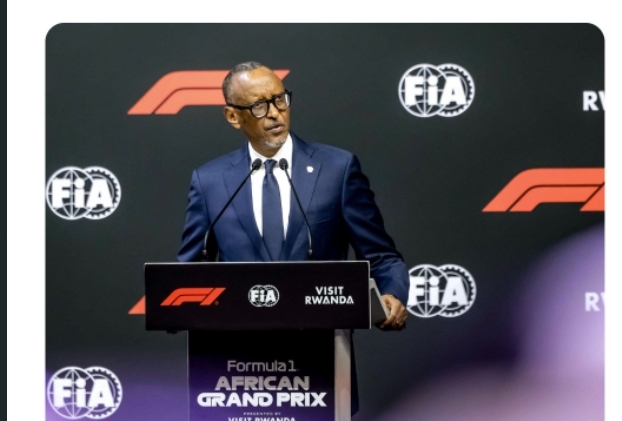
FORMULA ONE RETURNS TO AFRICA WITH 10 YEAR AGREEMENT TO RACE IN RWANDA
17 views · 3 days, 3 hours ago

 Bashir Ssendikadiwa
1 month ago
Comments 0
No comments yet. Be the first to share your thoughts!