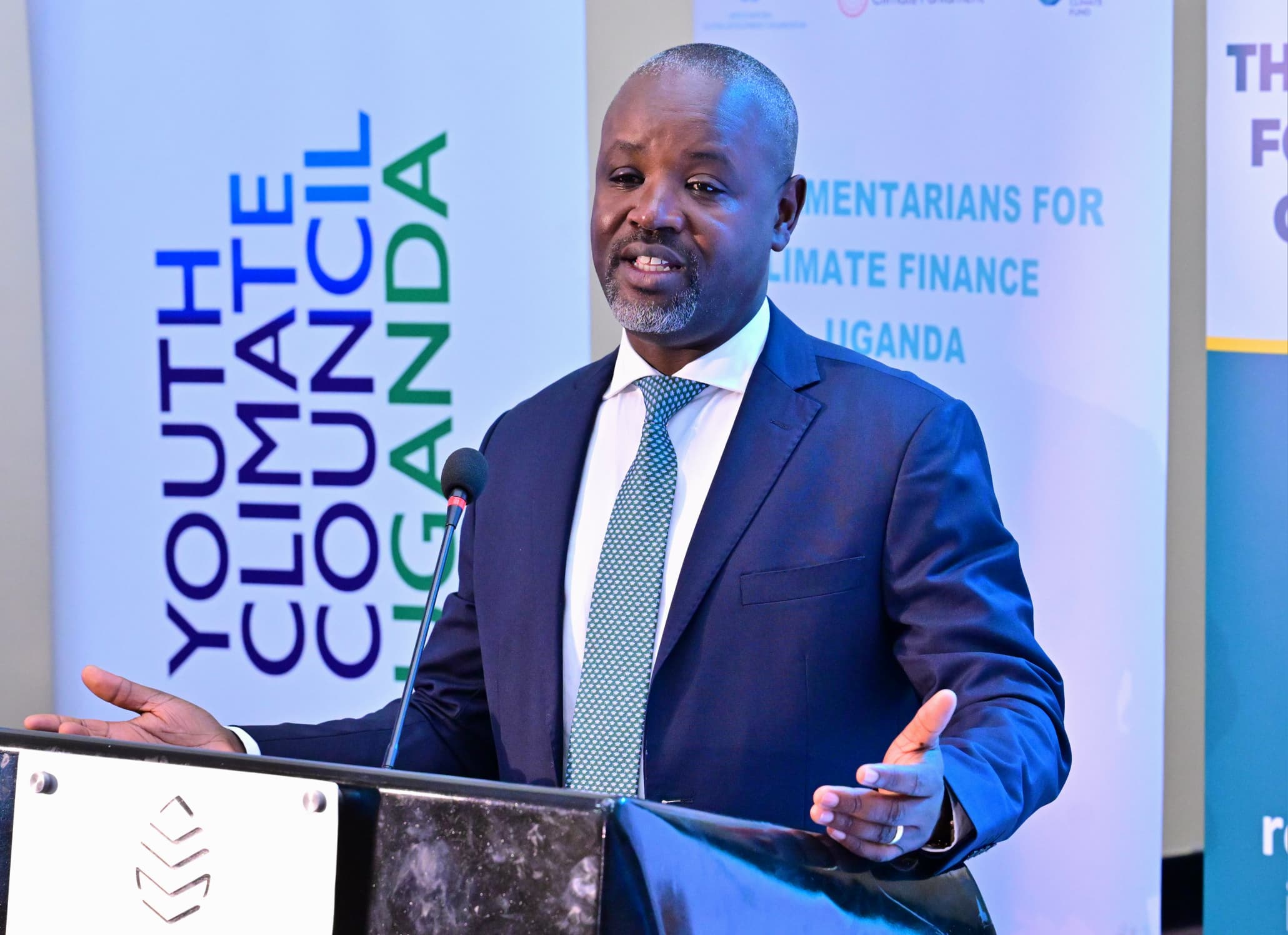
Deputy Speaker of Parliament Thomas Tayebwa has urged Members of Parliament to use their legislative, budgeting, oversight and representation roles to strengthen Uganda’s response to climate change and prevent climate-related disasters.
Tayebwa said climate change should no longer be treated as an issue discussed mainly at conferences, but as a national challenge requiring concrete action, adequate investment and long-term solutions.
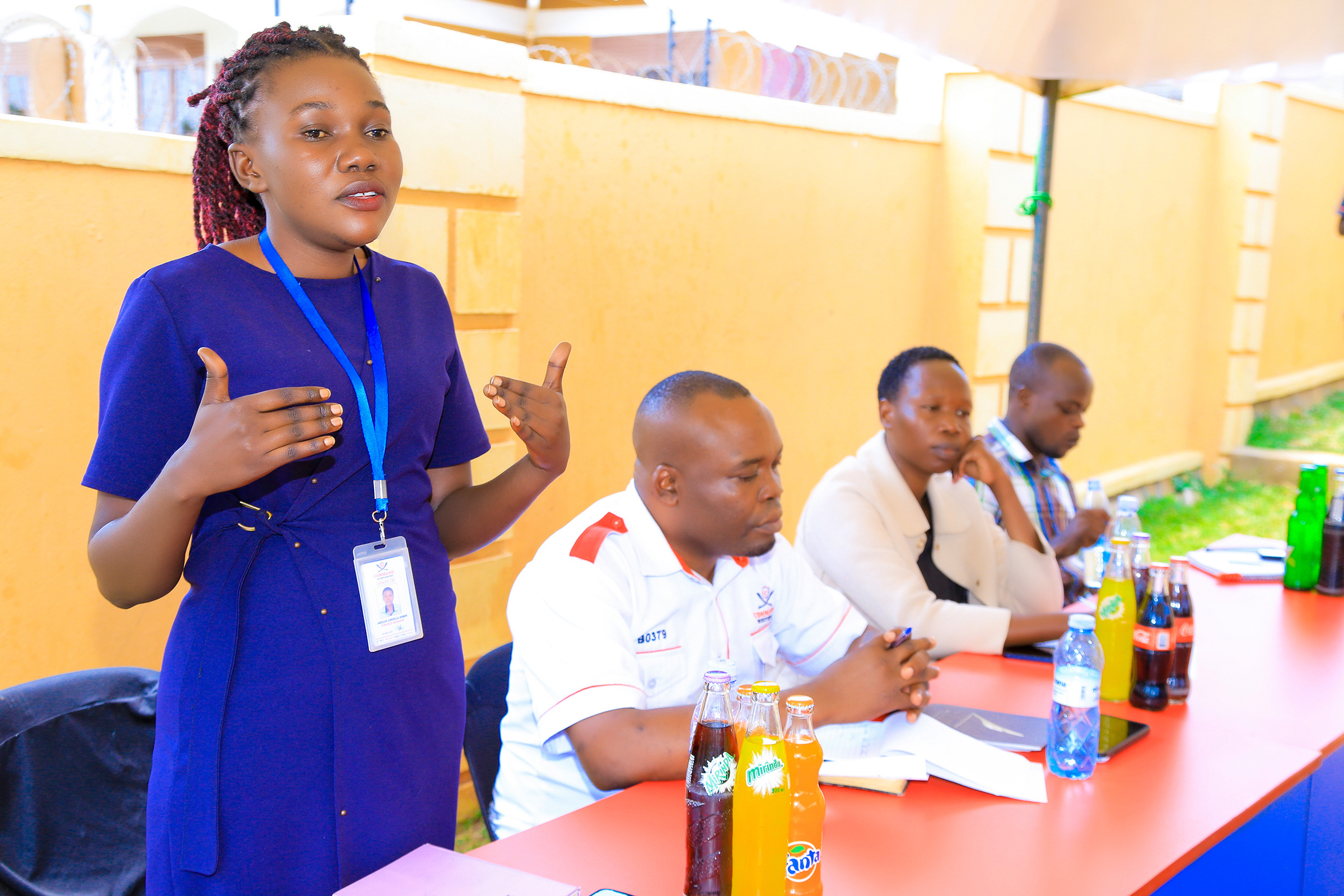
He made the remarks on Tuesday while opening a two-day induction for members of the Parliamentary Committee on Climate Change and the Committee on Natural Resources at Mestil Hotel in Kampala.
Tayebwa said the 12th Parliament would be judged by the extent to which it helps prevent climate-related disasters and protects future generations.
“History will judge the 12th Parliament not by how many sittings we had, or how many conferences we attended, but on how we prevented disasters from happening again,” Tayebwa said.
He urged MPs to ensure that climate considerations are incorporated into government programmes and public expenditure, warning that investments in development could be undermined if the effects of climate change are not addressed.
Tayebwa said Parliament should push government to prioritise disaster prevention rather than repeatedly spending public resources responding to the aftermath of climate-related emergencies.
He cited recurring flooding along River Nyamwamba in Kasese District, where communities have repeatedly been displaced, as an example of a problem requiring a lasting solution.
He questioned whether government should continue spending money each year on tents, blankets and food for communities affected by floods and famine instead of investing in measures that could prevent such disasters.
Tayebwa also identified Ntoroko District as being highly vulnerable to climate change, saying some families had lost significant portions of their land after it was submerged.
Call for Climate-Smart Agriculture
The Deputy Speaker said climate action should also extend to agriculture, warning that changing weather patterns could undermine government programmes aimed at improving household incomes and food security.
He called for greater investment in climate-smart agriculture, drought-resistant seeds, agroforestry, soil protection and better-equipped agricultural extension workers.
“I do hope that we, as the 12th Parliament, can tie PDM funds to climate-smart agriculture, to drought-resistant seeds, to ensure we focus on agroforestry, soil protection, and also ensure that we have extension workers who are well equipped with knowledge to teach people on how they can do sustainable agriculture,” he said.
He further urged Parliament to promote water harvesting in schools, hospitals and other public institutions as part of efforts to improve resilience to changing weather patterns.
Tayebwa also called for increased use of renewable energy, saying public institutions should be encouraged to generate their own electricity, including through solar installations. He said surplus power generated by such institutions could potentially be supplied to the national grid.
Stronger Oversight of Forests and Wetlands
The Deputy Speaker called for stronger parliamentary oversight of forests and wetlands and urged MPs to hold government agencies responsible for environmental protection accountable.
“We need to protect our forests. We need to keep these people in government who should protect our forests in check, on their toes,” he said.
Tayebwa said Uganda is losing about 80,000 hectares of forest cover annually, describing the trend as unacceptable and calling for stronger measures to protect the country’s natural resources.
Uganda
October 07, 2026 · Uganda
TAYEBWA URGES MPS TO PRIOTISE CLIMATE ACTION
Uganda’s response to climate change and prevent climate-related disasters.
Frank Gashumba vs. Men of God
25 views · 5 days, 2 hours ago
EXPERTS PUSH FOR THE INTERLINKED PAYMENTS TO BOOST AFRICA'S CROSS BOR…
24 views · 3 days, 17 hours ago
GEN. MUHOOZI ORDERS THE RELEASE OF EX-CMI BOSS MG. BIRUNGI FROM DETEN…
19 views · 2 days, 20 hours ago
MUSEVENI COMMISSIONS 280 CADETS AT MILITARY TRAINING KABAMBA BARRACKS
19 views · 3 days, 17 hours ago
Comments 0
No comments yet. Be the first to share your thoughts!