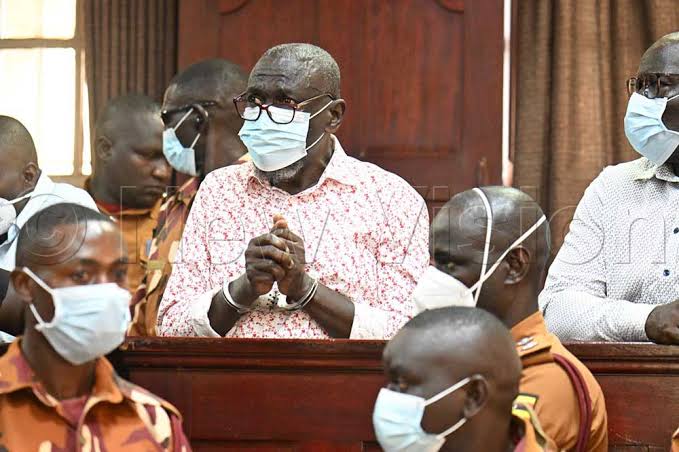
A police investigator has admitted that detectives handling the treason case against jailed opposition figure Dr Kizza Besigye did not visit the alleged crime scenes in Switzerland, Brussels and Nairobi, where the prosecution claims meetings linked to a plot to overthrow the Ugandan government took place.
Detective Inspector of Police Benedict Odyek, the third prosecution witness, made the admission during cross-examination by defence lawyer Farouk Kizito Kamulegeya before the High Court.
Odyek told court that neither he nor the two other investigators assigned to the case had travelled to the three locations to establish what allegedly transpired during the meetings.
The investigator acknowledged that visiting alleged crime scenes is an important part of criminal investigations but admitted that the detectives had not conducted such visits.
His testimony raises questions about the investigative steps police took to independently verify the prosecution's allegations.
Odyek further told court that the investigations originated from a letter dated February 12, 2025, from the Director of Public Prosecutions (DPP), directing police to investigate allegations that Besigye, his aide Hajji Obeid Lutale and Captain Denis Oola were involved in treacherous activities.
However, when pressed by the defence, the investigator admitted that the matter had not initially been reported or recorded at any police station.
He also acknowledged that the DPP's letter did not specify the witnesses investigators were expected to interview or the particular pieces of evidence they were required to recover.
"Visiting the alleged crime scenes is important and crucial in investigations, but neither I nor my two colleagues visited the locations mentioned in the case," Odyek told court.
The defence also questioned the legality of extracting and analysing electronic gadgets allegedly used to record meetings linked to the accused persons.
During cross-examination, Odyek admitted that written authorisation obtained from the prosecution's key witness, Andrew Wilson, also known as Orlando, covered only five electronic gadgets.
These included two mobile phones, a power bank and two concealed-camera devices.
The investigator confirmed that several other gadgets allegedly recovered during investigations were not covered by the authorisation.
The disputed items included a hard drive, two chronometer watches, audio listening devices and additional concealed cameras.
When asked whether police were legally permitted to extract information from electronic devices not covered by the authorisation, Odyek acknowledged that the law did not permit him to do so.
The admission prompted further questions from the defence about how electronic evidence was collected, examined and prepared for presentation in court.
The defence has challenged the handling and authenticity of the electronic recordings, arguing that the court must establish whether the evidence was lawfully obtained before it can be relied upon in the trial.
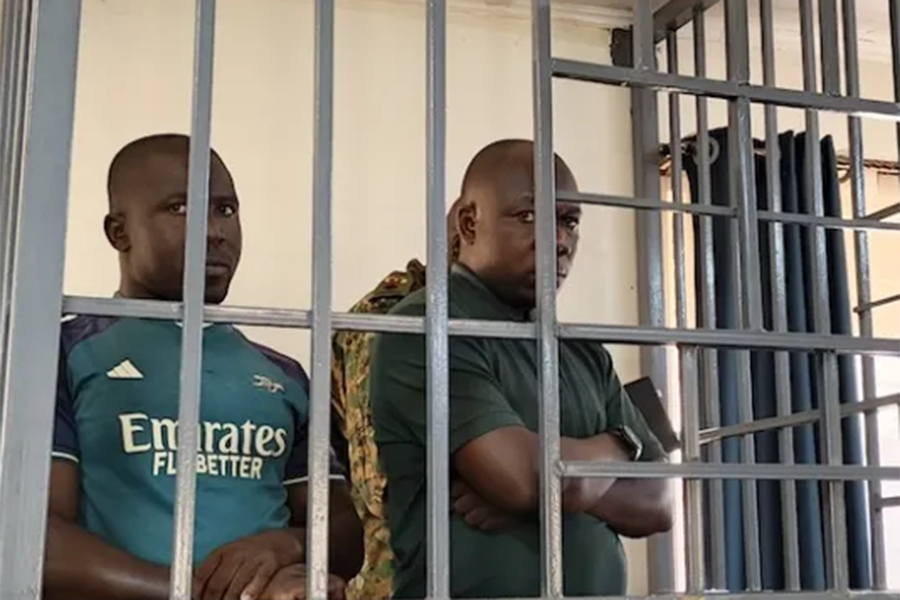
The testimony forms part of the ongoing treason proceedings against Besigye, Lutale and Captain Oola. The three accused persons deny the allegations against them.
Besigye is being tried in absentia and is not represented by a lawyer in the proceedings, while his co-accused, Lutale and Captain Oola, are regularly produced before trial judge Emmanuel Baguma.
The trial continues as the prosecution presents its evidence and the defence examines the investigative methods, documentary records and electronic materials intended to support the charges.
Uganda
November 03, 2026 · Uganda
Besigye Treason Trial: Police Admit No Visiting Alleged Foreign Crime Scenes
Dr Kizza Besigye did not visit the alleged crime scenes in Switzerland, Brussels and Nairobi
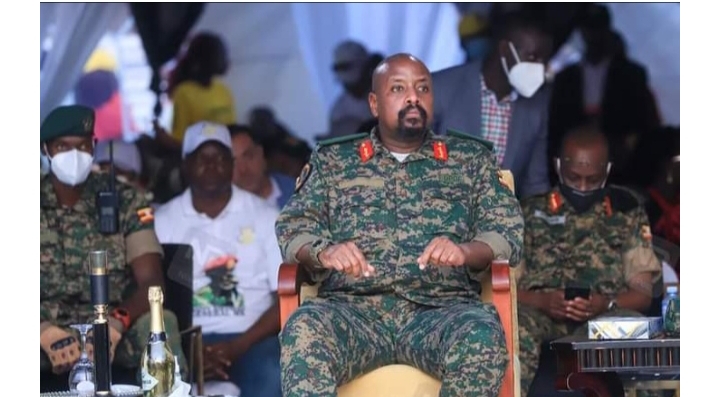
UGANDA STARTS WITHDRAWING ITS UPDF TROOPS FROM SOMALIA AFTER 2 DECADES
29 views · 3 days, 8 hours ago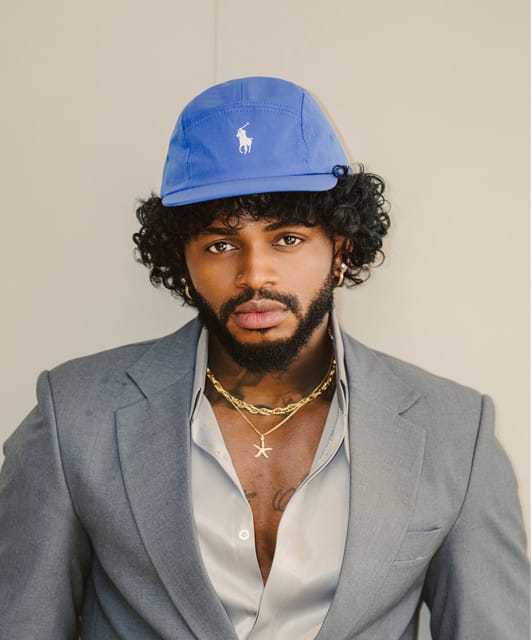
DIAMOND PLATINUMZ PROMISES UGANDA MASSIVE COLLABORATION
25 views · 2 days, 22 hours ago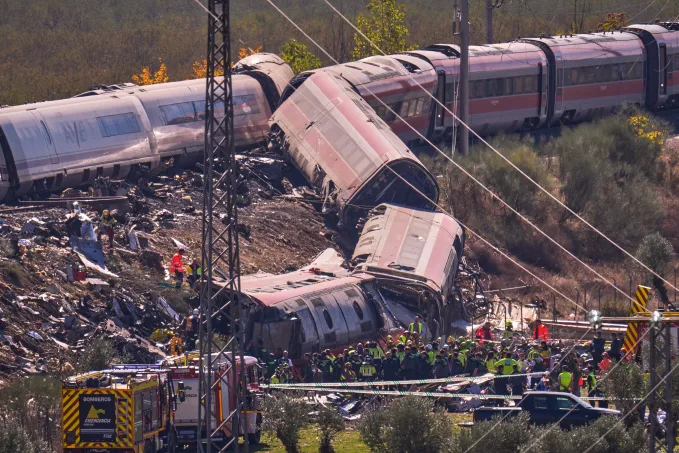
TRAINS COLLIDE IN SPAIN, 68 DEAD
23 views · 4 days, 11 hours ago
KIFUMBIRO CHRISTIAN FELLOWSHIP CHURCH MARKS NATIONAL CLEANING DAY BY …
22 views · 2 days, 16 hours ago
Comments 0
No comments yet. Be the first to share your thoughts!