2009, President Museveni asked his then 'Super Minister' Amama Mbabazi to prepare to take over the presidency ahead of the 2011 elections. The message was simple: you are the one I can trust with my family, so when you take over, there will be no retribution.
Mbabazi, according to the account of that conversation, thought the offer was too strange to be true. He declined.
Mbabazi is said to have replied. “Mzee, this is too soon. At least go again, then after this term…”
To make the proposition more believable, Museveni returned to the subject, eventually handing Mbabazi what would turn out to be a noose with which to hang himself. It came in the cake of the premiership on May 24, 2011.
As Prime Minister, Mbabazi began making rounds across the country, fuelling speculation that he was preparing for a presidential leap. Then came the big meeting with Museveni in which the head of state said he was tired and would retire. Mbabazi was to take over in 2016. Members of the First Family were said to have resisted the prospect. One reportedly declared, “Over my dead body.” Yet Museveni maintained that he was tired and ready to quit.
Emboldened by the sweet scent of touring the country alongside Museveni who appeared to show him the ropes, Mbabazi took the sword, only to discover that he had been handed the legendary double-edged sword. On September 18, 2014, Museveni dropped him as Prime Minister and replaced him with Ruhakana Rugunda. Mbabazi, who had served as NRM secretary general and occupied some of the most influential positions in government, realised had gone too far to retreat quietly.
He formed the Go Forward political platform, assembled allies from different political camps and entered the 2016 presidential race. The Electoral Commission declared him third, with a paltry 136,519 votes, representing 1.39 per cent of the valid vote. Museveni won with 60.62 per cent, while Dr Kizza Besigye came second with 35.61 per cent. The epitaph on Mbabazi’s political ambition read anything but Go Forward. After 10 years in the doldrums, his wife bounced back as an MP elderly persons and Minister too. Mbabazi himself has been seen scurrying here and there at NRM events.
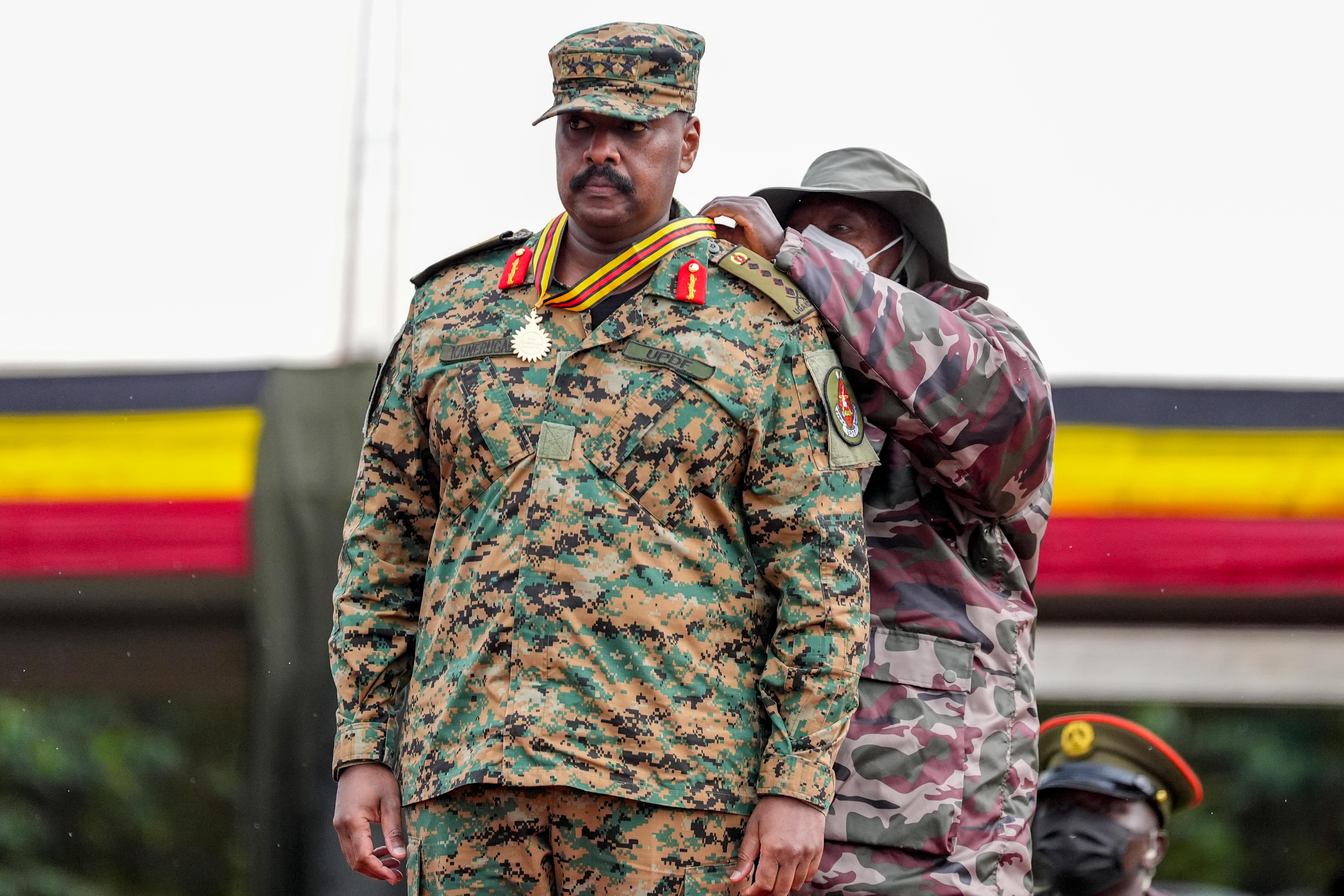
Fast-forward to Tuesday, October 27, 2026. Museveni, a man who has spent decades at the centre of Uganda’s politics while largely avoiding the question of who should succeed him, placed the succession question before the ruling National Resistance Movement’s Central Executive Committee at State House Entebbe. The succession debate had been gathering momentum for years. In 2013, former army officer David Sejusa, then widely known as Tinyefuza, publicly alleged that there was a plan to prepare Muhoozi to succeed his father. His allegations caused a political storm, and he subsequently spent years outside Uganda. The so-called Muhoozi Project became one of the most enduring controversies surrounding the President’s eventual succession.
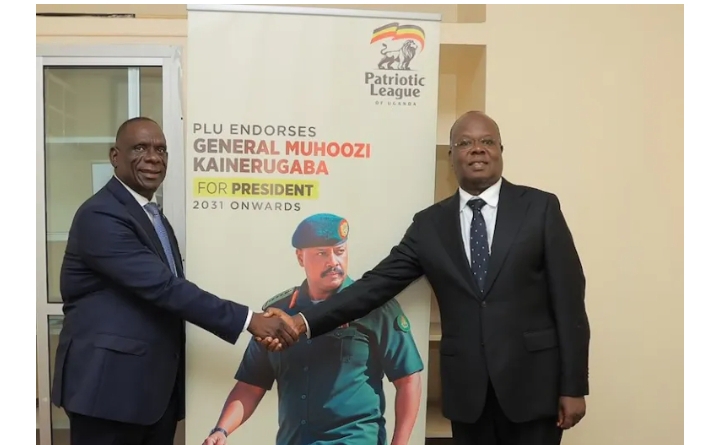
Kasambya County MP Daudi Kabanda, a key figure in the Patriotic League of Uganda (PLU), announced on X that Museveni had endorsed Muhoozi during the CEC meeting. The announcement immediately put the succession question on a different footing. It was no longer merely the business of online campaigns, roadside declarations and supporters collecting signatures for the General’s anticipated 2031 presidential leap. Reports from the meeting indicated that Museveni had presented a paper on succession and made a case for Muhoozi’s leadership. According to accounts attributed to people familiar with the discussions, CEC members wanted the paper circulated and the matter discussed further, including at a proposed retreat. The committee’s final position was not immediately clear. Kabanda’s announcement described an endorsement, but whether that amounted to a formal party resolution remained a separate question.
And here is the gambit: In Museveni’s politics, the announcement is one move; what follows may be the real game. Museveni is the master of the art of gambit. Too often he has deliberately offered something, made a calculated sacrifice or taken an apparent risk to gain a greater advantage later. Tuesday's events have the hallmark of such, only that in his grand move, few would see it even if he wrote it in black and white. See, the President joked that he liked Muhoozi’s often controversial tweets, giving a personal twist to a meeting about the future of the ruling party and the presidency.
If it's too nice to be real, then it is real in Museveni's politics. A subterfuge elsewhere. Yes, the grandmaster has moved his Horse piece on the chessboard, and everyone is watching to see which piece moves next. While he is watching who moves what to counter his. Dr Besigye and former president Milton Obote would recognise the central problem. Power is not easily shared, even with a trusted ally or a son. Obote’s own political history, and Besigye’s long-running argument that Museveni will not voluntarily relinquish power, provide the backdrop against which this latest succession episode will be judged.

Comments 0
No comments yet. Be the first to share your thoughts!