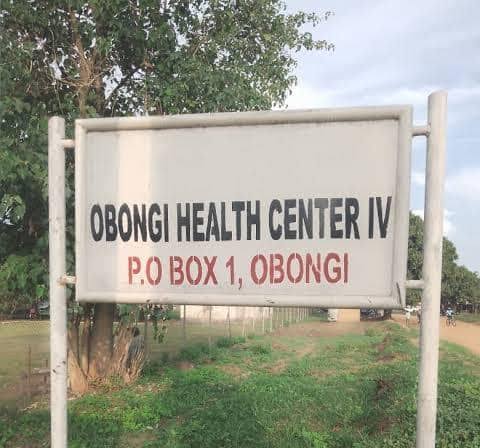
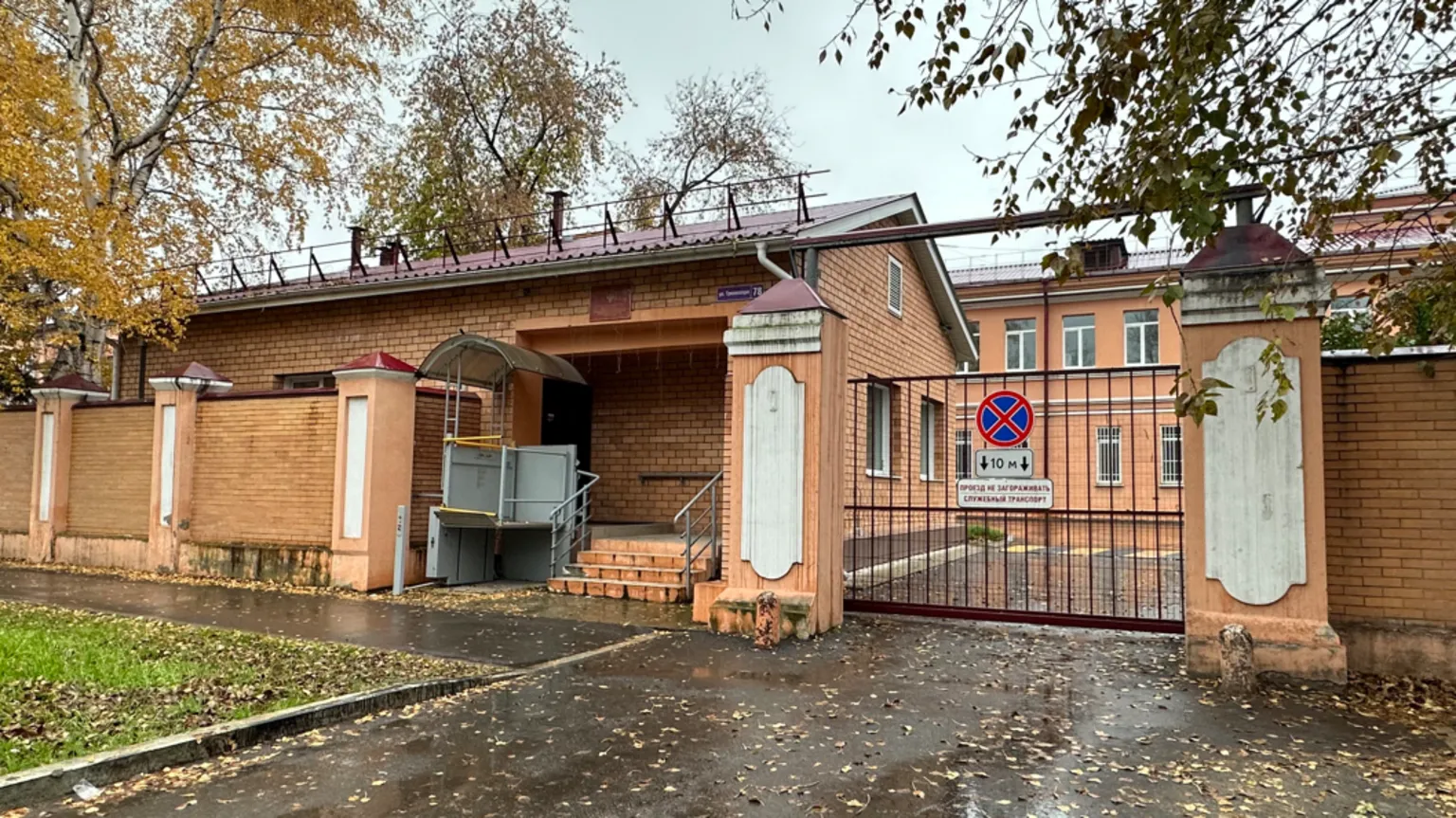
Obongi Health Centre IV is operating at just 32 per cent of its required staffing capacity, amid dilapidated infrastructure, unreliable electricity and challenges with emergency transport, raising concerns about healthcare delivery to both host communities and refugees.
The challenges were highlighted during a recent stakeholder visit to the facility, where health officials called for increased government investment in staffing, infrastructure and medical equipment to improve service delivery.
Despite the staffing shortages and infrastructure challenges, the facility handled 20,813 outpatient cases, conducted 1,308 deliveries and recorded 7,943 admissions during the 2025/2026 financial year.
Sunday Dragule, the Assistant District Health Officer in charge of Maternal and Child Health Care, said the facility had only 42 staff members serving its various departments.
“Staffing remains one of our biggest challenges. We are operating a high-volume health facility with only 32 per cent of the required health workforce, which makes service delivery extremely difficult,” Dragule said.
The District Chief Administrative Officer, Benson Otim Humphrey, said authorities had brought the challenges to the attention of relevant stakeholders and were pursuing possible solutions.
According to Dragule, several structures at the facility were in a dilapidated state, with the inpatient department requiring demolition and reconstruction, while the isolation unit lacked adequate equipment.
He said. “The inpatient department needs to be demolished and rebuilt, and the isolation unit also requires better equipment.” The facility is not connected to the national electricity grid and relies on solar power and a generator, both of which are sometimes unreliable.
Health officials also raised concerns about frequent ambulance breakdowns, which affect emergency referrals and the timely transfer of patients requiring specialised medical attention.
Dragule appealed to the government and development partners to increase staffing, improve infrastructure and equip health facilities, arguing that Obongi Health Centre IV should be upgraded to a district hospital.
“Upgrading this facility to a district hospital would help improve access to healthcare and enable us to respond better to the growing needs of the population,” he said.
Obongi Resident District Commissioner Eva Kwesiga Nalongo acknowledged the challenges but pointed to progress in areas such as immunisation.
Nalongo said. “Despite the challenges facing our health sector, Obongi District emerged among the best performers in the recent immunisation exercise. Government will continue working with relevant stakeholders to improve healthcare services in the district.” Obongi Constituency Member of Parliament Hassan Kaps Fungaroo called for urgent government intervention to improve healthcare services for both nationals and refugees.
Fungaroo said. “The challenges affecting Obongi Health Centre IV require urgent attention. Government needs to strengthen healthcare services in the district by addressing staffing gaps, improving infrastructure and ensuring that health facilities have the equipment necessary to serve the population.”
Obongi District, which was carved out of Moyo District, has 17 health facilities, including 10 Health Centre IIs, serving both host communities and refugees.
The district's population is estimated at 151,936, comprising nationals and refugees, according to figures cited by the health official.
The concerns highlight the need for sustained investment in healthcare personnel, infrastructure, reliable electricity and emergency transport to improve access to quality healthcare and strengthen the district's capacity to serve its growing population.
Health
October 31, 2026 · Uganda
Obongi Health Centre IV Struggles at 32% Staffing Capacity
Obongi Health Centre IV faces a severe shortage of medical personnel, with understaffing affecting service delivery and access to quality healthcare for patients.

ACCESS TO SOCIAL MEDIA RESTORED AFTER EIGHT MONTH BAN: SAYS GABON
24 views · 4 days, 9 hours ago
TRAINS COLLIDE IN SPAIN, 68 DEAD
20 views · 1 day, 12 hours ago
ZARI HASSAN SLAMS SIMON KAGGAWA NJALA OVER HIS THEORIES
19 views · 1 day, 19 hours ago
AMONG ATTENDS STATE HOUSE CEC MEETING IN FIRST PUBLIC OUTING SINCE MA…
19 views · 3 days, 14 hours ago
 Nalubaale Rovincer
3 weeks, 2 days ago

Comments 0
No comments yet. Be the first to share your thoughts!