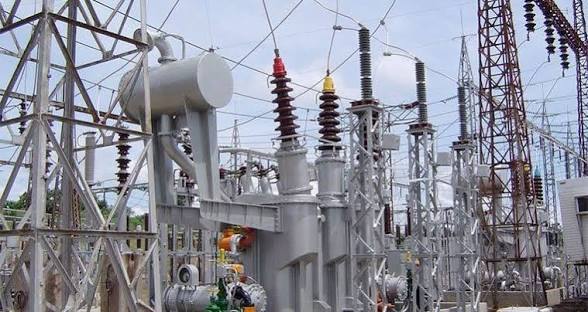
Ugandans continue to bear the brunt of persistent power outages across different parts of the country, with small business owners saying unreliable electricity supply is crippling their businesses despite high electricity tariffs.
From Gulu to Bwaise and Bulenga, entrepreneurs are raising concerns over frequent power interruptions by the Uganda Electricity Distribution Company Limited (UEDCL), saying the outages are affecting their daily operations, reducing their earnings and increasing the cost of doing business.
Eighteen months after UEDCL took over electricity distribution from Umeme on April 1, 2025, what many had hoped would be a period of stable electricity supply has instead been characterised by persistent blackouts.
For Ssebuguzi Moses, a 28-year-old barber and phone-charging business operator, the unreliable power supply has become a daily struggle. His business operates three hair clippers, two phone-charging boards and a small music system, all of which depend on electricity.
Moses says he spends between Shs10,000 and Shs20,000 daily on Yaka electricity but continues to experience power outages, sometimes occurring three times a day.
He says the interruptions can last from 9:00 a.m. to 5:00 p.m., leaving him unable to serve customers during business hours.
“I lose about 15 customers a day who would have paid me Shs150,000,” Moses says.
He is also concerned about the rising cost of electricity, particularly the peak-hour tariff of Shs666.5 per unit, which he says makes it increasingly difficult for small businesses to remain profitable.
“Even when power is available, Shs10,000 gives me only seven units now, compared to 12 units before. I have been forced to use a generator. Fuel costs Shs7,080 per litre, and I use three litres a day. So I am paying UEDCL and also paying for fuel. Where is the profit?” he asks.
Moses' experience reflects the challenges faced by many small-scale entrepreneurs who rely on electricity to sustain their businesses.
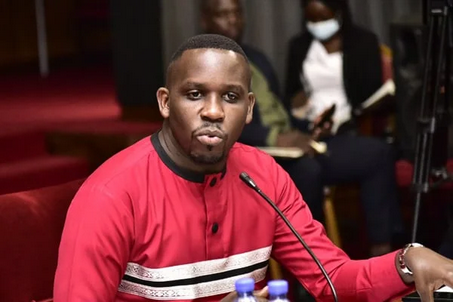
The growing public concern over unreliable electricity supply was also raised in Parliament on October 20, 2026, when Leader of the Opposition Joel Ssenyonyi criticised UEDCL's performance.
"I've seen some say that while Umeme was the frying pan, UEDCL seems to be the fire itself," Ssenyonyi told Parliament.
He further revealed that approximately 400,000 Ugandans who had paid for electricity connections were still waiting to be connected, while others continued to experience challenges involving faulty transformers and missing electricity meters.
In response, Deputy Speaker Thomas Tayebwa said a parliamentary committee report was expected to provide further accountability on the matter.
Meanwhile, public frustration continues to grow on social media platforms, particularly TikTok, where Ugandans have been expressing their dissatisfaction with the electricity distributor. Some users have sarcastically referred to UEDCL as the "Uganda Electricity Darkness Company Limited" in response to the frequent outages.
For young entrepreneurs such as Moses, the continued power interruptions raise serious concerns about the future of small businesses, particularly those that depend on a reliable electricity supply to operate.
As electricity costs remain high and outages continue, business owners are left struggling to meet operational expenses while trying to maintain their customer base.
UEDCL is yet to provide a clear explanation of when Ugandans can expect a consistently reliable electricity supply.



Comments 0
No comments yet. Be the first to share your thoughts!